Let's be real about the guilt
You're not broken if touching yourself feels weird. Shame around solo pleasure runs deep. It lives in the messages you absorbed about what "good" people do, what you deserve, what counts as real sex. Most of those messages were garbage. But they stuck around anyway.
Here's what I see in my practice: people who feel awkward about masturbation don't orgasm reliably in partnered sex either. The shame doesn't vanish when someone else is in the room. It just gets quieter. And quieter shame is harder to name and work through.
So let's name it.
Why the awkwardness shows up
Solo pleasure often gets tangled with three things: religious upbringing, gender conditioning, and the belief that "real" sex is partnered sex only.
If you grew up hearing masturbation was sinful, shameful, or unhealthy, that message didn't evaporate when you became an adult with agency over your own body. It lives in your nervous system. Your body might tense when you touch yourself. You might feel watched, even alone. You might rush through, or stop entirely.
Gender conditioning does its own damage. Women especially are taught that pleasure is something to receive passively, not something to actively claim. You're supposed to be desired, not desiring. That's a cage, and it shrinks the space where masturbation can happen.
Then there's the partnered-sex-only myth. If you believe that real intimacy happens only with another person, solo touch feels like settling. Like you're doing something lesser while you wait for the real thing. That's false. Masturbation is real sex. It's information. It's self-knowledge.
What shame actually costs you
When you feel awkward about touching yourself, three things happen physiologically. First, your pelvic floor tenses. That's a nervous system response to perceived threat. A tense pelvic floor makes arousal harder and orgasms weaker or impossible. Second, your brain can't focus. Part of your attention is policing yourself instead of feeling sensation. You're split. And third, pleasure gets quieter because you're not breathing fully. Shame makes you shallow-breathe.
All three of these show up in partnered sex too, by the way. If you've never claimed solo pleasure, your partner can't give you what you haven't found. They're working with incomplete information about your body.
Start by separating the voices
This is the first thing I ask clients to do. Write down the voices that come up when you think about masturbating. Not the rational reasons ("I'm busy," "I don't have time"). The feeling voices. The ones that say "That's weird," or "I shouldn't," or "That's what lonely people do." Write them down without judgment.
Then ask: whose voice is that? Is it your parent? A religious authority? A partner? A culture that told you who you should be?
Once you name the voice, you can separate it from you. You can look at it and say: "That's not my belief. That's something I inherited. I'm choosing something different." That separation is the hardest part. But it's where the shift happens.
Build a ritual that feels safe
Shame loses power when you're intentional. Don't sneak around or rush. Instead, create a ritual that feels like self-care, not like stealing something.
Set a time. Lock the door. Light a candle if that feels grounding. Play music that makes you feel good. Tell yourself out loud: "This time is for me. My pleasure matters." That's not cheesy. That's a nervous system reset.
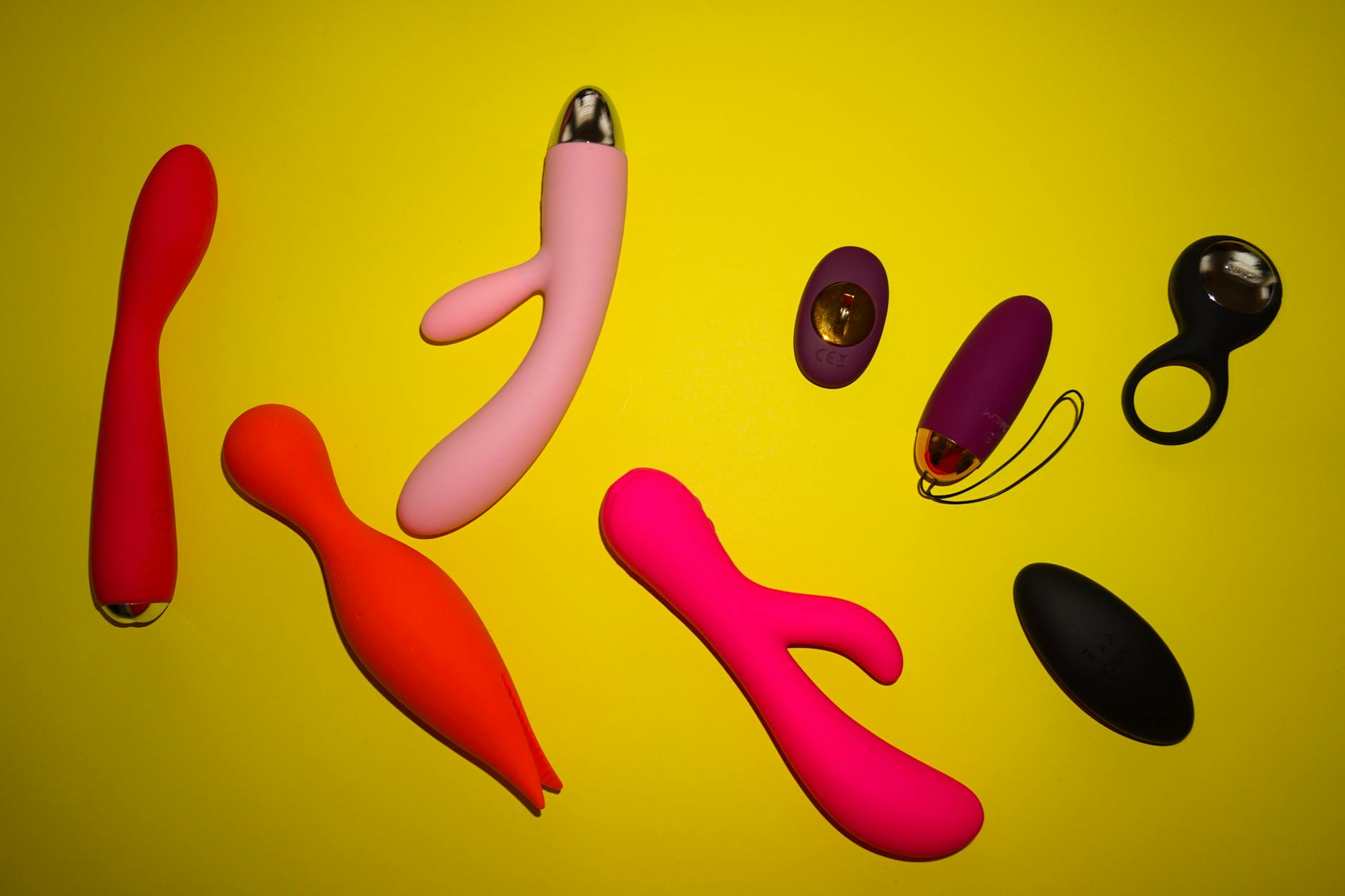
Start with touch before bringing in a lemon clitoral vibrator. Your hands are free and familiar. Let yourself notice what feels good without pressure to orgasm. Some people tense up when orgasm is the goal. Instead, make the goal sensation. Slow pressure. Circular motion. Light touch on the inner thighs.
Breath matters more than most people realize. Shallow breathing keeps you locked in your head. Deep belly breathing signals safety to your nervous system. Breathe in for four, hold for four, out for four. That alone changes how pleasure registers.
When you introduce a lemon vibrator
If you're holding shame, a vibrator can feel like it signals that something is wrong with you. It doesn't. It means you're being resourceful. A lemon sucker or lemon vibrator works with your body's actual response, not against it. It's a tool that meets you where you are.
Start at a low setting. The Lemon clitoral vibrator has graduated patterns, which is actually helpful here because you're not making a big jump into intensity. That gentleness reduces performance pressure.
Keep your focus on sensation, not outcome. What does the suction feel like? Where do you want more? What patterns make your breath change? You're gathering data about your own body. That's not selfish. That's essential.
If awkwardness spikes when the vibrator is on, pause. Don't push through. Notice the sensation, breathe, and when you're ready, come back. Shame responds to gentleness, not force.
Why solo pleasure actually strengthens partnered sex
Here's what most people don't realize: partners can't give you what you don't know to ask for. If you've never explored your own pleasure, you don't know your arousal patterns. You don't know if you need slow warm-up or if you get there faster with suction. You don't know what touch blocks you versus what opens you. Your partner is flying blind.
When you have solo practice, you bring actual information to partnered sex. You know what works. You can say it. You can show it. You can ask for it. That removes so much pressure from both people.
There's also a nervous system piece. Partners can feel if you're present or holding back. If shame keeps you from solo pleasure, that same shame probably shows up when you're together. Your partner might feel it as rejection, when really it's you rejecting yourself. Solo pleasure practice builds your capacity to feel safe in your own body. That translates immediately to partnered sex.
The mantra that actually helps
When shame creeps back in, which it will sometimes, say this: "My pleasure is mine to claim. Not selfish. Not wrong. Mine."
That's not affirmation-poster language. It's a fact. Your body belongs to you. Your pleasure belongs to you. Solo touch is one of the few places in life where you get to define the terms, the pace, the intensity. Everything else gets negotiated. This gets to be entirely yours.
Frequently Asked Questions
What if I feel guilty even when I'm alone with a lemon vibrator?
Guilt that persists even in private often signals that the shame is really deep. It might be worth talking to a therapist, especially one who specializes in religious trauma or gender conditioning. But you can also start smaller: shame decreases when you're gentle with yourself. If guilt comes up, you're not doing anything wrong. You're deconditioning. That takes time.
How often should I practice solo pleasure to feel less awkward?
There's no magic number. For some people, once a week shifts the nervous system response. For others, twice a week helps rewire the shame faster. The real thing is consistency over intensity. Regular, gentle touch teaches your body that solo pleasure is safe and normal. Frequency matters less than regularity.
Can I use a lemon vibrator with a partner and still feel awkward about solo pleasure?
Absolutely. In fact, that's pretty common. Some people feel okay with partnered pleasure but still hold shame around solo touch. That shame usually comes from the belief that partnered sex is "real" or "earned," while solo touch is self-indulgent. The antidote is the same: reframe solo pleasure as information-gathering and self-care, not as settling.
What if my partner makes me feel awkward about masturbation?
That's a relationship issue, not a you issue. Partners who shame masturbation are often working from outdated ideas about possession, monogamy, or what sex should look like. You might need to have a direct conversation: "My solo pleasure isn't about you or a replacement for you. It's about knowing my own body." If they can't respect that boundary, that's worth examining in the relationship.
Does shame about solo pleasure mean I'm not sexually healthy?
No. Shame is something you absorbed, not something you are. Sexual health is about self-knowledge, consent, and pleasure that feels good to you on your terms. You're working toward that by even asking the question. The awkwardness doesn't mean you're broken. It means you're unpacking something that was handed to you and deciding if you want to keep it.
How do I know if I've healed the shame enough to really enjoy a lemon clitoral vibrator?
You'll know because your body will tell you. When shame lifts, breathing deepens. Your pelvic floor relaxes. Pleasure starts to build instead of staying flatlined. You stop timing yourself. You stop worrying about noise or being discovered. You're just there, feeling what your body wants. It doesn't have to be perfect or intense. It just has to feel like it belongs to you.
The bigger picture
Solo pleasure isn't practice for partnered sex. It's not foreplay. It's not a warm-up. It's real intimacy with yourself. That matters whether you're partnered or single. Whether you orgasm or not. Whether you use a lemon vibrator or your hands.
Shame thrives in silence and secrecy. It dies when you name it, when you claim your body as yours, when you decide that your pleasure is worth the time and intention. Start small. Be kind to yourself. Your nervous system will catch up eventually.
If you want more support navigating how solo pleasure fits into your partnered life, we're here. Feel free to reach out.