How to Use a Lemon Vibrator When Medication Dulls Your Sensation
SSRIs, hormonal birth control, and blood pressure meds kill orgasms. Here's what actually helps, and why clitoral vibrators work when nothing else does.
Your medication is probably killing your orgasms. Not maybe. Probably. SSRIs, hormonal birth control, blood pressure medications, and some diabetes drugs are notorious for flattening sensation and making climax anywhere from difficult to impossible. Your doctor probably didn't mention it. Your partner definitely doesn't understand it. And you've been lying awake wondering if this is permanent.
Most of the medications that kill orgasm do it through one of three mechanisms. Some interfere with dopamine or serotonin, the neurochemicals that fire during arousal and orgasm. Others change blood flow to the genitals, which means less engorgement and less sensitivity. A few do both at once, which is why some people on SSRIs feel literally nothing no matter how long they try.
The frustrating part is that the medication is working exactly as intended. It's calming your nervous system, regulating your mood, or stabilizing your blood pressure. The side effect is real, but it's not a sign that anything is broken about you. Your body is responding to chemistry, and chemistry can be worked with.
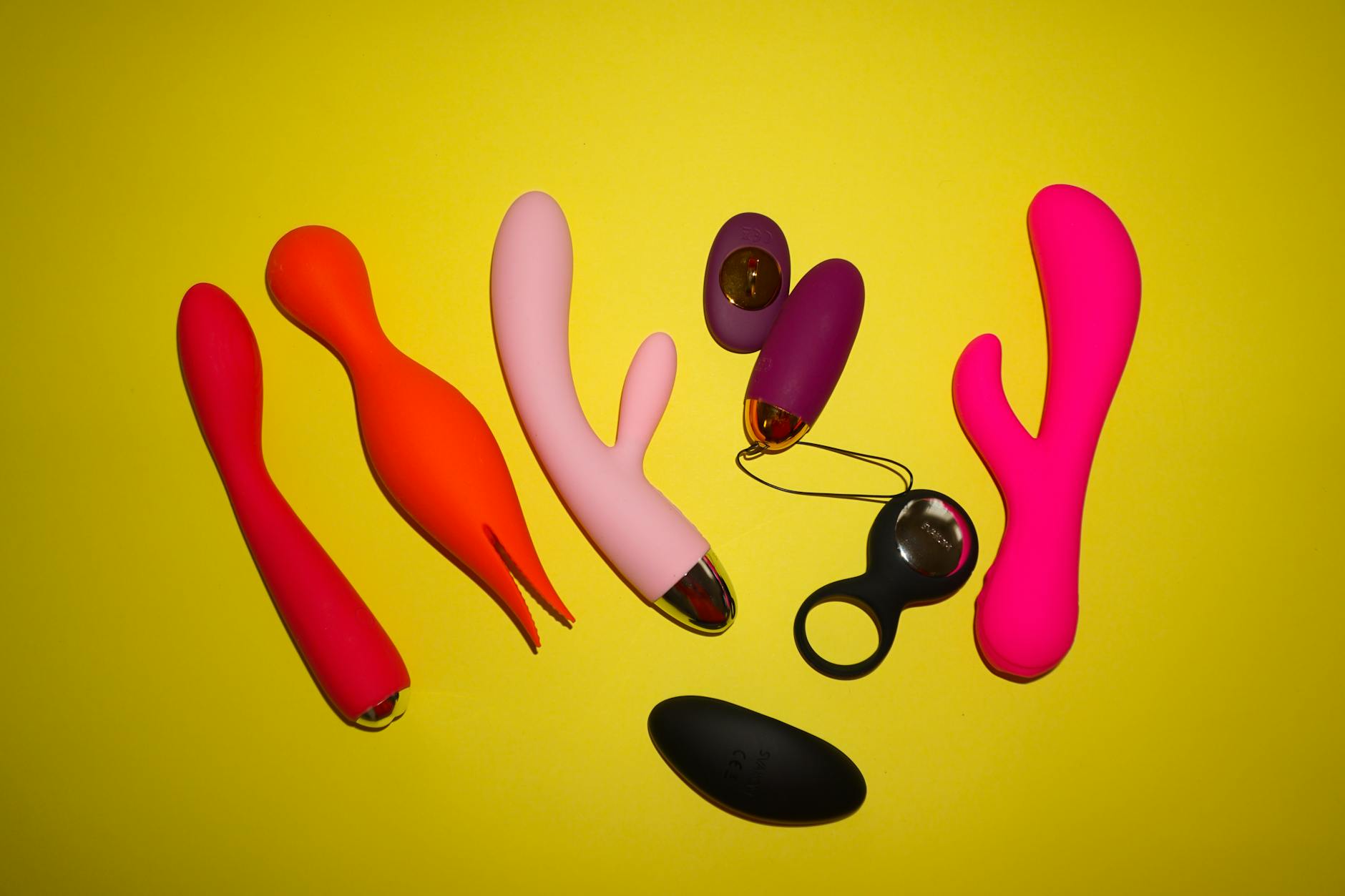
Here's what I've seen work repeatedly with clients dealing with medication-induced numbness. Suction-based clitoral vibrators like The Lemon Vibe's lemon vibrator work differently than traditional vibration. Instead of relying on the nerve sensitivity you've lost, they create gentle pressure and release that stimulates the clitoris in a way that requires less sensation to register.
Think of it like this. A traditional vibrator asks your numb nerves to notice small, fast movements. A suction vibrator pulls gently, which creates a broader stimulus that your nervous system can actually perceive even when sensitivity is down. The mechanism bypasses the problem instead of asking you to push through it.
Many people who've failed with traditional vibrators for years find that the suction approach wakes something back up. Not because the toy is magic, but because it's addressing the actual block.
If you've been on medication that flattens pleasure and you're trying The Lemon Vibe's clitoral vibrator for the first time, these adjustments matter.
Start at pattern 1. Suction vibrators have variable intensities, and the temptation is to jump to high right away because you're used to needing intense stimulation. Don't. Your tissue is intact even if you can't feel it yet. Give pattern 1 at least five minutes of undivided attention. Slow down.
Use lube even if you think you don't need it. Medication often dries tissue in addition to numbing it. Water-based lubricant reduces friction and lets the lemon vibrator do its job without you fighting physical resistance on top of chemical numbness. It's not a crutch. It's an adjustment.
Set a 20 to 30 minute window. Arousal on medication takes longer. Your nervous system is literally running slower. Give yourself permission to explore without a goal of orgasm. Sometimes the first few sessions are just about waking up sensation. Orgasm might come later.
Combine it with partner touch if you have one. The suction from a lemon clitoral vibrator creates one type of sensation. Your partner's hands create another. Some people find that combining them resets the whole system. It's not that the toy alone works. It's that the lemon vibrator plus touch at the same time can activate pathways that medication has quieted.
Some medications have less impact on sensation than others. SSRIs are notorious, but not all of them are equally bad. Some people do fine on sertraline and struggle on paroxetine. Others have the opposite experience. And there are entire classes of antidepressants that don't mess with dopamine or serotonin in the same way.
If your medication is destroying your sex life, that's a valid reason to have a conversation with your prescriber. You can ask about switching to a medication in the same class that might have less sexual impact. You can ask about timing your dose differently. In some cases, adding another medication that counteracts the sexual side effect is an option.
Your doctor probably won't bring this up on their own. They'll wait for you to complain. But if you do, most are willing to problem-solve rather than dismiss you.
While you're adjusting doses, switching medications, or working through the sexual side effects, a lemon sexual toy does something important. It gives you agency. It's a tool you control that doesn't depend on how your medication is currently affecting your nervous system.
Many of my clients describe using a lemon vibrator as a way of refusing to accept numbness as permanent. They're not forcing pleasure. They're creating an environment where pleasure becomes possible again. That shift in mindset actually matters neurologically. Believing something might work is part of the mechanism that makes it work.
Here's what I tell people to expect. If you're on a medication that's newly numbing your pleasure, sensation sometimes returns in four to eight weeks as your body adjusts. Sometimes it takes months. Sometimes it doesn't come back while you're on that medication, and you need to switch. And sometimes, weeks into working with a lemon clitoral vibrator, people realize that sensation actually is returning. It just happened slowly enough that they didn't notice.
The point is you don't have to wait passively. A lemon vibrator is something you can do actively while everything else is settling.
If you have a partner, medication-induced numbness often affects partnered sex differently than solo sex. Many people can't orgasm during sex but can with a toy, or vice versa. The stimulation is different. The nervous system engagement is different. Your partner might be taking the numbness personally ("am I not doing it right anymore?") when it's entirely chemical.
Having a lemon vibrator in the bedroom, either solo or partnered, takes the pressure off. If you're using the toy and it helps, that's information. If you use it and nothing happens, that's also information. Either way, you're learning something about how your body is currently responding, which is more useful than both of you guessing.
No. In fact, the opposite often happens. Using a lemon vibrator regularly while you're on medication that affects sensation actually retrains your nervous system to recognize pleasure. Once sensation starts coming back and you've rebuilt your capacity to orgasm, many people find they can eventually orgasm without the toy again. The toy is a bridge, not a crutch.
Yes, but the suction mechanism works better with direct contact. If you're trying a lemon clitoral vibrator for the first time and you're nervous, external use over thin fabric is fine to start. But for maximum sensation, direct contact is worth trying once you're comfortable.
First session to first sensation change is anywhere from one session to a few weeks in. Some people feel something shift immediately. Others take several sessions before they realize sensation is returning. Don't assume it's not working if nothing happens in the first five minutes. Many people find that the real shift happens across sessions, not within one.
Maybe. Medication changes sensitivity thresholds. You might need something different than you did before. The suction-based approach of a lemon vibrator is often more effective for medication-dulled sensation specifically because it doesn't rely on your existing nerve sensitivity. That said, what worked before might still work now. It's worth trying.
That depends on your relationship and whether they already know about the medication side effects. If you've already talked about how the medication is affecting your pleasure, mentioning that you're trying a tool to help isn't that different. If you haven't had that conversation, this might be the moment. Partners often feel less threatened by a toy when they understand it's medication-related rather than something they're failing to provide.
That's incredibly common and usually means the combination of factors (conversation, pressure, timing, partner presence) is harder to navigate than solo stimulation with a focused tool. It doesn't mean the vibrator isn't working. It means your nervous system needs different conditions to respond during partnered sex. Bringing the vibrator into partnered sex, if that's something you both want, can bridge that gap.
Your capacity for pleasure isn't gone. Your nervous system isn't broken. Your medication is doing exactly what it's supposed to do, which means your body is responding predictably to chemistry. That's fixable. Sometimes it's a medication adjustment. Sometimes it's a different approach to stimulation. Sometimes it's a lemon vibrator. Most often, it's some combination of those things, plus patience, plus refusing to accept numbness as permanent.
Your pleasure matters. Not as an afterthought to your health. As part of your health. If the medication you need is creating a side effect you didn't expect, that's worth solving. The Lemon Vibe's clitoral vibrators exist partly because people like you found that suction works when vibration alone doesn't. You're not alone in this. And there are tools that work.
If you're struggling to navigate medication side effects and pleasure at the same time, or if you need guidance on how to talk to your prescriber about this, we're here to help. Reach out to our team.