You used to get aroused in minutes. Now it takes 20. Or 30. Or you're not sure it's happening at all. The panic sets in fast: something's wrong with me, something's wrong with my relationship, something's wrong with my body.
Here's the thing. None of those are usually true. Slower arousal is one of the most normal shifts in pleasure, and it's happening to millions of people right now. The problem isn't your body. The problem is we've built an entire culture around a five-minute model that never actually worked for most people anyway.
There are several legitimate reasons why your body's warming-up time might have shifted.
Hormonal changes. Life stage transitions—whether that's age-related, medication-related, or stress-related—absolutely affect how quickly blood flows to the genitals. Estrogen supports vaginal lubrication and tissue sensitivity. When estrogen dips (whether gradually over years or suddenly from a medical event), arousal pathways take longer to activate. This isn't dysfunction. This is just your biology running on a different schedule.
Distraction tax. Your brain is your biggest sexual organ, and if your brain is anywhere other than the moment, arousal stalls. Stress about work, kids, money, or even the performance of sex itself creates what I call arousal interference. Your nervous system is running threat detection, which directly competes with pleasure signaling. You can't be in a fight-or-flight state and be genuinely aroused at the same time.
Medication side effects. SSRIs, some blood pressure medications, and hormonal birth control can slow arousal or numb sensation. This is incredibly common and almost never discussed. If this is you, talk to your doctor about timing or dosage adjustments—sometimes switching when you take a medication, or the specific medication itself, makes an enormous difference.
Partner mismatch. If your partner reaches peak arousal in five minutes and you need fifteen, that gap creates its own anxiety. You're not broken. You're just on different timelines. Most relationships have this problem and never address it directly.
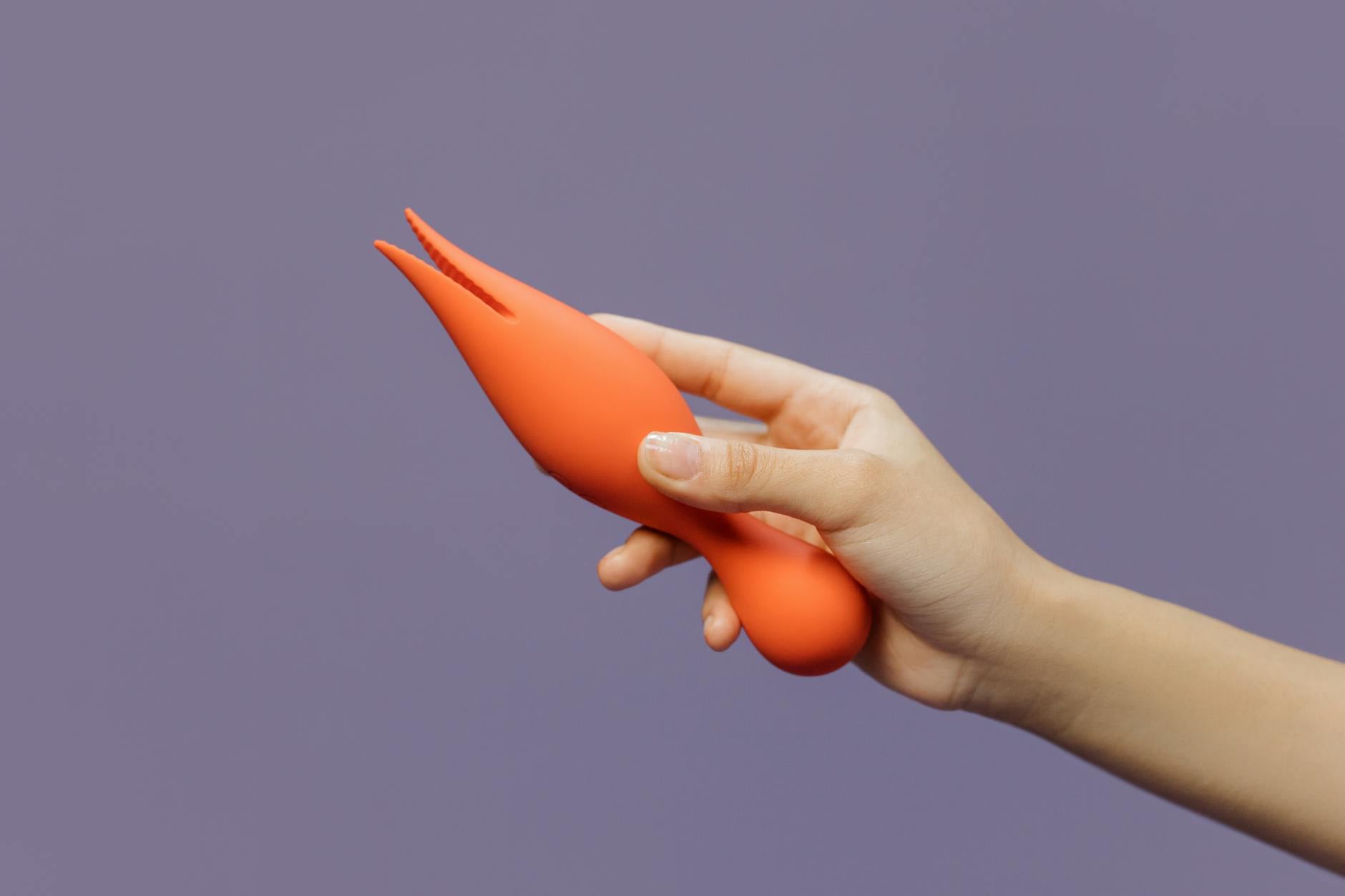
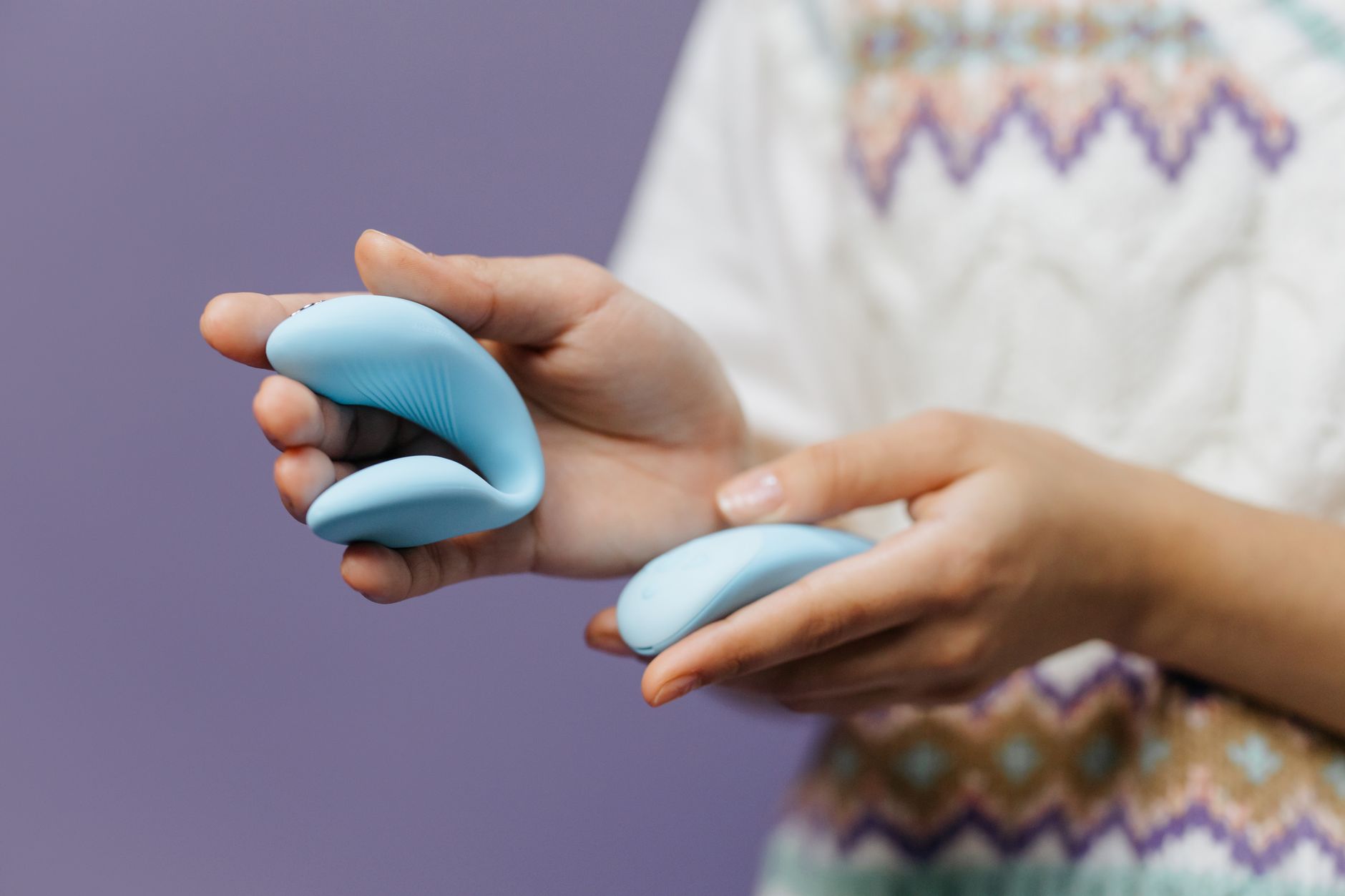
Air-suction clitoral vibrators like those from The Lemon Vibe are particularly useful here because they work on a different principle than traditional vibration. Instead of trying to force sensation through friction, suction gently draws tissue into the device, stimulating nerve clusters without requiring you to already be fully aroused to feel something.
This matters because you don't need to wait for your body to reach peak readiness before you can start. With suction toys, earlier in your arousal cycle, the sensation is gentler and easier to access. You can use them to coax arousal along rather than waiting for it to arrive fully formed.
Start with the lowest suction setting when you're maybe 20 percent aroused—that early, hazy state where you're interested but not quite convinced. The device meets you where you are instead of demanding you catch up.
Forget the myth that good sex requires minimal setup. Here's what realistic, sustainable warm-up looks like for slower-building arousal:
Minutes 0-5: Mental transition. Put your phone away. If you share a bed with a partner, give them a heads up about timing so you're not performing for an audience. Close the door. Take three deep breaths. Your nervous system needs permission to shift gears.
Minutes 5-15: Low-pressure touch. This is kissing, light touching of non-genital areas, or solo exploration without goal-focus. The goal here isn't orgasm. The goal is presence. If you're with a partner, this is when you talk about what you're curious about tonight. If you're solo, this is when you let your hand wander without direction.
Minutes 15-25: Introduction to your lemon vibrator. Use the device on a low setting, externally, without expectation. You're literally introducing sensation, not chasing orgasm. Many people find that the gentle suction of a lemon clitoral vibrator actually helps them focus because it gives their attention something clear to hook onto.
Minutes 25+: Play, adjust, enjoy. Once arousal is genuinely building, you can increase intensity if you want, or keep it steady. There's no finish line. You're not racing.
This entire timeline might feel long. It might feel slower than you'd like. But here's the reality: this is your actual timeline, and fighting it creates more problems than it solves.
Honestly, this is where most couples get stuck. One person is ready in five minutes. The other needs twenty. Someone feels impatient or rejected. Someone feels pressured or rushed. Both feel frustrated.
The solution is unsexy but effective: separate the arousal phases. Your partner might get ready quickly and then use a lemon vibrator on you, bringing their own arousal back up through direct focus on your pleasure. Or you warm up solo for ten minutes before they join in. Or they start their stimulation while you're still warming up, and you're not performing sync but dancing in parallel.
The key conversation is: "My arousal takes longer now. That's not about you. Here's what helps me." And then actually show them. Use your lemon sucker or other clitoral vibrator so they understand the timeline and the pace.
If you're on SSRIs or blood pressure meds, definitely mention this to your prescriber. Sometimes timing matters—taking medication in the morning instead of at night, or right after sex instead of before. Sometimes a different medication in the same family works better for your body. Sometimes you adjust the dose. These conversations change lives and rarely happen unless you bring them up.
For stress, there's no magic toy that fixes chronic overwhelm. But what a lemon vibrator can do is create a clear boundary between "regular life" and "pleasure time." The ritual of using it—charging it, finding it, making space for yourself—signals to your nervous system that you're transitioning. That transition time is half the battle.
Most people report that when they stop treating slower arousal as a problem to solve and start treating it as information to work with, everything gets easier. You're not constantly behind. You're not constantly apologizing. You're not constantly anxious about whether it's "working."
You just... have sex. Longer. With more focus. And honestly? Most people find that's better. You're more present. You feel more. The orgasm, if it comes, is often more satisfying because you didn't spend the whole time worried about timing.
Start with your actual timeline. Use a lemon clitoral vibrator on a low setting as your arousal opener. Be honest with your partner about what you need. And then let yourself have a slower, longer, more present experience. Your body isn't broken. It's just asking for what it actually needs.
How long is normal for arousal to take? Anywhere from two minutes to thirty. There's no universal normal. What matters is that you and your partner (or your solo self) have the same understanding of your actual timeline.
Can stress permanently slow down arousal? Stress can absolutely suppress arousal temporarily, sometimes for weeks or months. But it's reversible. Once stress decreases, arousal usually bounces back. Managing chronic stress—through therapy, medication if needed, or lifestyle change—can restore baseline responsiveness.
Is slower arousal a sign of low desire? Not necessarily. Slower arousal and low desire are different things. You might still want sex—want it badly—but need more time to physically warm up. A lemon vibrator helps bridge that gap by providing sensation while your body catches up to your desire.
Will a lemon sucker actually speed things up? Not in the sense of making the timeline shorter. But it can make the timeline feel better. Suction stimulation bypasses the friction-dependent stimulation, so you're feeling something real and pleasurable earlier in your arousal phase. That often reduces the anxiety that makes arousal even slower.
What if my partner thinks slower arousal means I'm not attracted to them? This is a conversation, not a conclusion. Be explicit: "I'm very attracted to you. My body just needs more time to warm up. Here's what helps." Show them. Use your toy with them present. Let them participate. Many partners feel relieved once they understand it's biology, not rejection.
Can I use a lemon clitoral vibrator if I'm not very aroused yet? Absolutely. Start on the lowest setting. The gentle suction won't feel intense or jarring—it'll just feel like something's happening. Many people find that sensation actually helps pull them into arousal rather than requiring they already be there.