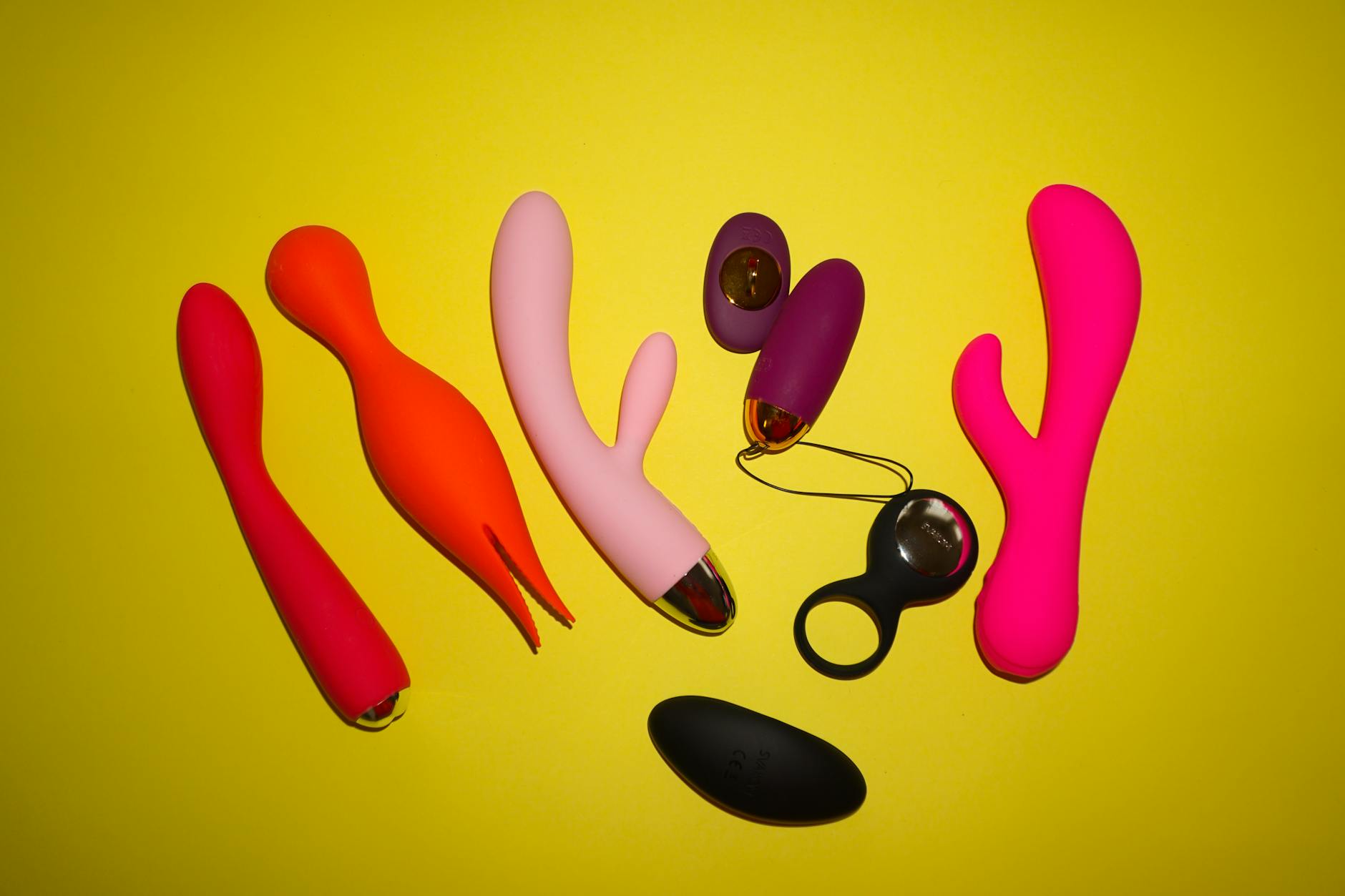
Let's talk about the mismatch nobody plans for
One of you needs firm, consistent pressure to feel anything at all. The other winces if the vibration goes past setting two. You're not broken. You're not incompatible. You're just wired differently, and that's way more common than people admit.
This sensitivity gap—where one partner's sweet spot is the other partner's "too much"—derails more couples than actual desire problems. Because when you're trying to coordinate pleasure in a shared moment, a five-setting difference feels like you're speaking different languages. Lemon vibrators, especially their adjustable intensity levels, solve this specific friction point.
Why sensitivity differs so much between partners
Your nervous system isn't negotiable. Some people have naturally higher nerve density in their genitals. Others process sensation more intensely due to genetics, previous sexual history, stress levels, or medication. Neither version is better. They're just different.
Add in the fact that sensitivity can shift month to month, year to year—based on hormones, mental load, relationship stress, even caffeine intake—and you're looking at a moving target. What worked last month might feel too intense now. Your partner's needs might flip in three months. Static solutions fail because bodies aren't static.
The real issue isn't the difference itself. It's trying to use the same tool at the same intensity for two completely different bodies. That's like buying one pair of shoes for two people with different shoe sizes and expecting both feet to be comfortable.
How lemon vibrators handle the sensitivity gap
A quality lemon sexual toy isn't a one-speed hammer. The lem vibrator, for example, offers multiple intensity settings—usually five to seven distinct levels. More importantly, it uses air-suction stimulation rather than direct vibration, which lets you modulate sensation in a way that traditional vibrators can't.
Here's the difference: direct vibration is binary. It either buzzes at you or it doesn't. Air-suction toys like the lem work by creating rhythmic waves of pressure and release. That design means the person with lower sensitivity can experience deeper, more diffused stimulation at a lower "setting" number, while the partner with higher sensitivity gets concentrated sensation at the same setting. Same tool. Same moment. Genuinely different experiences.
Silicone body and variable patterns also matter. The lem's rounded head distributes pressure evenly, reducing the risk of overstimulation for sensitive partners while delivering satisfying intensity for those who need it. You're not choosing between irritation and underwhelm. There's actual middle ground.
Setting up a conversation that doesn't feel like a negotiation
Most couples never explicitly discuss sensitivity differences. Instead, one person white-knuckles through discomfort, or the other feels perpetually unsatisfied. Both silently resent it. Then they blame themselves or the relationship.
Instead, frame this as a logistics question, not a performance issue. "I want us both to actually feel good" is the entire conversation. You're not saying "you're too sensitive" or "you don't turn me on." You're saying "our bodies work differently, and I want a tool that works for both."
Then introduce the lemon vibrator practically. "I read about these air-suction toys. Apparently they adjust better across sensitivity levels. Want to try exploring together?" No drama. No pressure. Just curiosity.
The mechanics of shared stimulation with different sensitivities
Start with a lower setting—whatever feels barely noticeable to the less-sensitive partner. That's your baseline. From there, the more-sensitive partner can mentally "layer" additional sensations: position changes, breathing, mental focus. Their nervous system will amplify the signal even if the tool's intensity stays the same.
This is why lemon adult toys work so well in couples' contexts. Because you're not trying to make the toy perfect for both people simultaneously. You're using the toy as a base layer, and each person brings their own nervous system to the party.
Here's a practical sequence:
- Start with the less-sensitive partner using the toy first, solo or with their partner nearby. They set their preferred intensity (often settings four to seven).
- Switch roles. The more-sensitive partner uses the toy at their preferred setting (often one to three). Notice that it's still pleasurable for their partner to watch or participate—just not by controlling the toy.
- Then, if you want to move toward simultaneous pleasure, introduce the toy as external stimulation during partnered sex. The person receiving it can set their own intensity while their partner controls their own pleasure independently.
You're not trying to choreograph a single synchronized experience. You're creating parallel pleasure, which actually tends to feel more intimate anyway.
When one partner needs intensity, the other doesn't
This is the scenario most couples avoid discussing: one of you could orgasm from a lemon clitoral vibrator alone, while the other needs it integrated into a bigger picture—inside penetration, or alongside partner touch, or with mental focus on fantasy.
That's not a problem. That's information. Use it.
The less-sensitive partner might use the lem vibrator solo, at higher settings, for 10-15 minutes during your partnered session. Meanwhile, the more-sensitive partner receives gentler external stimulation or focuses on partnered penetration or oral sex. You're not "doing it together" in the lockstep sense. You're in the same room, aware of each other's pleasure, and moving toward release on slightly different timelines.
Many couples find this actually works better than trying to sync up. There's less performance pressure. Less urgency. More authenticity.
The lubrication factor when sensitivities clash
Here's something almost nobody mentions: water-based lubricant changes how vibration feels. More lube means sensation gets diffused. Less lube means it concentrates. This is your invisible third variable.
If your partner with higher sensitivity is finding the lem vibrator still too intense even at setting one, add more lube. The extra layer creates buffer space between the toy and their tissue. You can literally dial sensation down without changing the toy's intensity.
For the less-sensitive partner, a little less lube means sensation concentrates more. You're not changing the tool. You're adjusting the transmission medium. It's elegant, because it doesn't require conversation mid-session. You both just know: more slickness = gentler sensation.
Addressing the guilt and shame that shows up
One partner often feels defective for being "too sensitive." The other feels selfish for needing more. Both are common, both are wrong, and both typically go unspoken because admitting them feels vulnerable.
Here's the reality: your nervous system isn't a character flaw. It's not about loving your partner less or being "broken" in bed. Sensitivity is literally neurology. Some people have more pain receptors, some have fewer. Some process sensations faster. Some are naturally aroused or naturally cautious. None of it is moral.
When you normalize the difference—by choosing a tool that accommodates it and having a straightforward conversation about it—the shame deflates. You move from "why are you like this?" to "okay, here's what works for both of us." That shift alone usually improves the whole experience.
Using lemon vibrators to reconnect when sensitivity feels like distance
Sensitivity mismatch often signals something deeper: one partner feels unseen, the other feels pressured. The toy becomes less important than the conversation it opens.
If you're using a lemon sexual toy together specifically to address sensitivity differences, you're signaling: "Your pleasure matters. Your body matters. I want to understand how you work." That messaging is half the healing.
Start there. The toy is just the vehicle. The real work is the curiosity and willingness to meet each other's bodies where they actually are, not where you think they should be.
Quick FAQ for sensitivity navigation
When one partner has high sensitivity and the other doesn't, things get complicated fast. Here are the questions couples ask most.
Can a lemon vibrator work if we have very different sensitivity levels?
Absolutely. The adjustable intensity, air-suction design, and flexible patterns mean one toy can genuinely work for two different nervous systems. Start at the lower-sensitivity partner's baseline and adjust from there. The lem vibrator's five to seven settings give you room to find a middle zone that's pleasurable for both.
Is it normal for one partner to need vibration and the other to find it uncomfortable?
Completely normal. Genital nerve density varies widely, and sensitivity changes with hormones, stress, and medications. About 40% of couples report some form of sensitivity mismatch. You're not unusual. You're just paying attention to it instead of ignoring it.
Should the less-sensitive partner use the toy solo while we're together?
That can work beautifully, yes. Many couples find that having one partner use a lemon clitoral vibrator alone—while the other participates through touch, conversation, or their own pleasure—removes performance pressure and makes the experience feel more authentic.
Does lube really change how vibration feels?
Significantly, yes. More lube diffuses sensation and makes stimulation gentler. Less lube concentrates it. If your partner finds even the lowest setting too intense, try increasing lube before changing the toy's intensity. It's an invisible dial you control together.
What if we still can't sync up even with an adjustable toy?
Then you don't need to sync up. Not every sexual moment requires simultaneous orgasm or even simultaneous stimulation. Parallel pleasure—where each partner moves toward release on their own timeline—is actually more common and often more satisfying than lockstep synchronization.
Can sensitivity change over time?
Yes, frequently. Hormones, medications, relationship stress, even caffeine intake affect how your nervous system processes sensation. What was too intense last month might feel just right this month. Check in regularly and stay curious rather than assuming your preferences are fixed.
The deeper truth about sensitivity and intimacy
When you stop fighting your differences and start designing for them, something shifts. You're not compromising. You're problem-solving together. And that act of collaboration—choosing a tool that works for both of you, having the conversation, staying curious about each other's bodies—that's actually where intimacy lives.
A lemon vibrator is just a tool. But it's a tool that says: "Your body matters. Your pleasure matters. And I want both of us to feel good." That message, more than any amount of intensity, is what deepens connection.
Ready to explore together? Contact The Lemon Vibe if you have questions about which intensity levels or patterns work best for your specific situation. We're here to help both of you find what actually works.