Sexual dysfunction is isolating. Whether it's erectile dysfunction, vaginismus, anorgasmia, or desire that's simply vanished. you end up blaming yourself for something that's usually biological, psychological, or both. The shame compounds the problem.
Here's what I know after two decades of working with couples through this: sexual dysfunction is not a character flaw. It's a signal that something in your body, your relationship, or your mind needs attention. And it's almost always reversible.
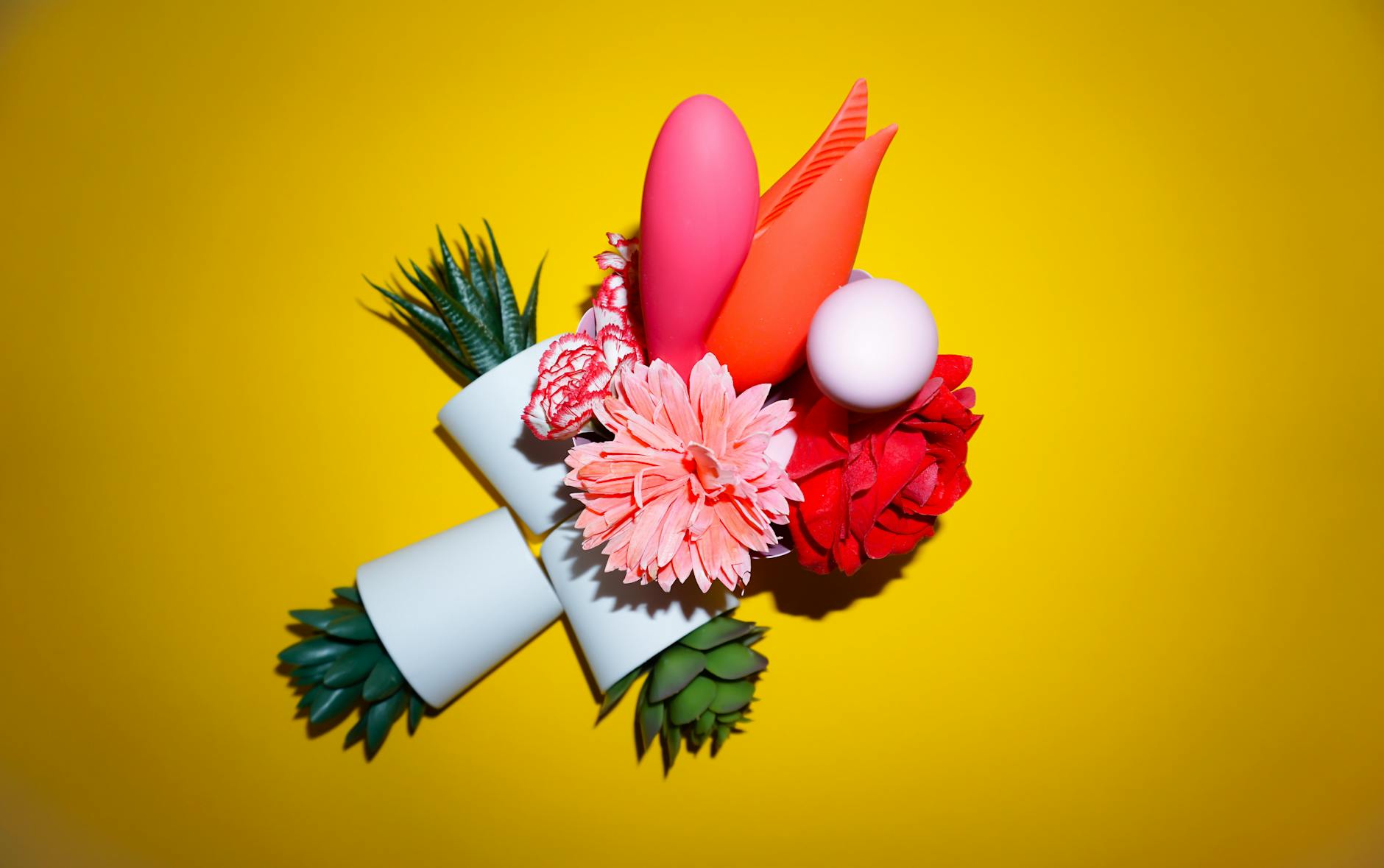
A lemon vibrator won't fix everything, but it can become part of the fix. Not as a replacement for your partner or therapy, but as a tool for rebuilding sensation, pleasure response, and your sense of agency.
Sexual function is fragile. It depends on a chain of things working together: blood flow, hormone balance, nervous system regulation, emotional safety, relationship trust, and your own mental chatter. Break one link and the whole thing falters.
Common culprits: medications (especially SSRIs and blood pressure meds), diabetes, cardiovascular issues, hormonal shifts, trauma, relationship conflict, anxiety about performance, depression that's lifted your libido but not your sensation, or just exhaustion from living.
The thing nobody tells you is that shame compounds the dysfunction. Once you've experienced one failure, your brain gets hypervigilant. It's trying to protect you. Instead, it sabotages you.
A lemon vibrator works here because it removes the pressure to perform. It's not about your partner's timeline or your partner's needs. It's about you rebuilding a direct connection to sensation.
Your nervous system learns. When you've had bad sexual experiences, your body associates intimacy with anxiety or failure. Your sympathetic nervous system activates (fight or flight) instead of your parasympathetic system (rest and digest). Pleasure requires the parasympathetic state.
Lemon vibrators, specifically the clitoral suction style, work differently than vibration alone. Suction stimulates nerve clusters without the intensity that can trigger nervous system shutdown. For people rebuilding sensation after dysfunction, this matters.
When you use a lemon vibrator solo first, you're teaching your nervous system that pleasure is safe. No performance pressure. No timeline. No one watching. Your brain slowly decouples the idea of intimacy from failure.
I know that sounds counterintuitive, but it's essential. If you're rebuilding after dysfunction, you need to rediscover pleasure as a solo experience first.
Set aside 20-30 minutes when you're alone and not rushed. This isn't clinical masturbation. This is exploration. Use a water-based lubricant even if you don't think you need it. Thin tissue or stress responses often mean less natural lubrication, and lube removes friction that can feel discouraging.
Start with your lemon vibrator on the lowest setting. Don't aim for orgasm. Aim for sensation. Where does it feel good? What patterns feel interesting? What makes your breath catch? This data matters more than any outcome.
Most people rebuilding after dysfunction expect an instant fireworks moment. When it doesn't happen, they spiral into shame again. Instead, notice: Did your clitoris swell? Did your breath change? Did you feel a flutter in your pelvic floor? These are wins.
This is where most people get stuck. You're rebuilding solo, and your partner thinks you're rejecting them. Or they feel left out. Or they think the vibrator means they're not enough.
Separate the two problems: "My body is healing from something" is not the same as "I don't want you." You have to name them separately.
A useful script: "I'm rebuilding how my body responds to pleasure. That's a me-project right now, not a you-project. I need some solo time to reconnect with sensation without any pressure. Then we'll bring you back in."
Give it a timeline. Two weeks. A month. Whatever feels realistic. Then check in.
When you do bring your partner back in, start with the lemon vibrator present but as an extra tool, not a replacement. Some partners resist this. That's worth exploring separately. If your partner feels threatened by a clitoral vibrator helping you rebuild pleasure, that's a relationship issue that sex can't fix.
Once you've rebuilt some solo pleasure response, you can translate it. Use the lemon vibrator during foreplay. Show your partner what you discovered. "This pattern works for me" is radically different from "my body is broken."
Many people with erectile dysfunction or desire issues find that using a clitoral vibrator during partnered sex takes the pressure off them to generate all the stimulation. It also means the person with the vulva is getting direct, effective sensation instead of hoping indirect touch will work.
For anorgasmia, a lemon vibrator often breaks the pattern by offering a different type of stimulation than the person's usual go-to. Your nervous system got used to one kind of input and stopped responding. Change the input, change the response.
Keep the focus on pleasure, not performance. If an orgasm happens, great. If it doesn't, you still felt good. That's the win.
A vibrator is a tool, not a cure-all. If you've been unable to orgasm for years, or if erectile dysfunction is severe, or if vaginismus makes penetration physically painful, you need professional support.
Sex therapists (look for someone AASECT certified) specialize in this. A good one combines talk therapy with somatic work and assigns tools like vibrators as part of the protocol.
Your doctor matters too. If medication is dulling sensation, ask about alternatives. If hormones are off, that's fixable. If anxiety is blocking everything, that might need medication.
The combination of professional support plus your own pleasure work is where real change happens.
Rebuild ing takes time. Your body learned that sex meant failure. Unlearning that is slower than you want it to be. Some weeks you'll make progress. Some weeks you'll feel like you're back at square one. That's normal.
The lemon vibrator is here for the long arc. Not as a magic fix, but as a consistent, reliable source of sensation you can control. That agency matters as much as the pleasure itself.
Not on its own. But it can be part of the picture. Erectile dysfunction usually has a physical component (blood flow, hormones, medication side effects) and a psychological one (performance anxiety, shame). A vibrator removes some performance pressure and can help you rebuild confidence during partnered sex. But if ED is severe, see a doctor first.
That's a conversation, not a vibrator problem. A partner's insecurity about a tool that helps you heal is worth addressing directly. You might say: "This isn't about you. My body needs this right now, and I want you to be part of it. But first I need to rebuild my own relationship with pleasure." If they can't get on board, that's worth exploring with a couples therapist.
It varies wildly. Some people feel shifts within a few weeks. Some take months. You're rewiring neural pathways, not flipping a switch. The timeline depends on what caused the dysfunction in the first place. Medication side effects sometimes resolve quickly if you switch drugs. Trauma takes longer. Hormonal changes take time and maybe medical intervention. Stay patient with yourself.
Completely normal. Especially if your nervous system is traumatized or anxious, pleasure can feel blocked. A lemon vibrator is best used as a sensation exploration tool, not an orgasm machine. If you're using it and not coming, you're not failing. You're gathering data about what your body needs.
Depends on the severity. Vaginismus is involuntary pelvic floor tension that makes penetration painful or impossible. A clitoral lemon vibrator might be perfect for external pleasure without triggering the pain response. But if even external touch triggers tension, you probably need pelvic floor physical therapy before adding any vibrator. Work with a PT first.
Sexual dysfunction after relationship trauma is common and makes sense. Your body learned that sex in this relationship isn't safe. Solo pleasure work with a vibrator can help you separate the idea of pleasure from the relationship trauma. But you also need couples therapy to rebuild trust. The vibrator is a piece, not the whole solution.
Rebuild ing pleasure after sexual dysfunction is one of the hardest intimacy work you can do. It requires patience, self-compassion, and the willingness to try something that feels vulnerable. A lemon vibrator won't solve everything. But it can be the tool that helps you remember: your body is capable of pleasure. You deserve that pleasure. And you get to define what it looks like.