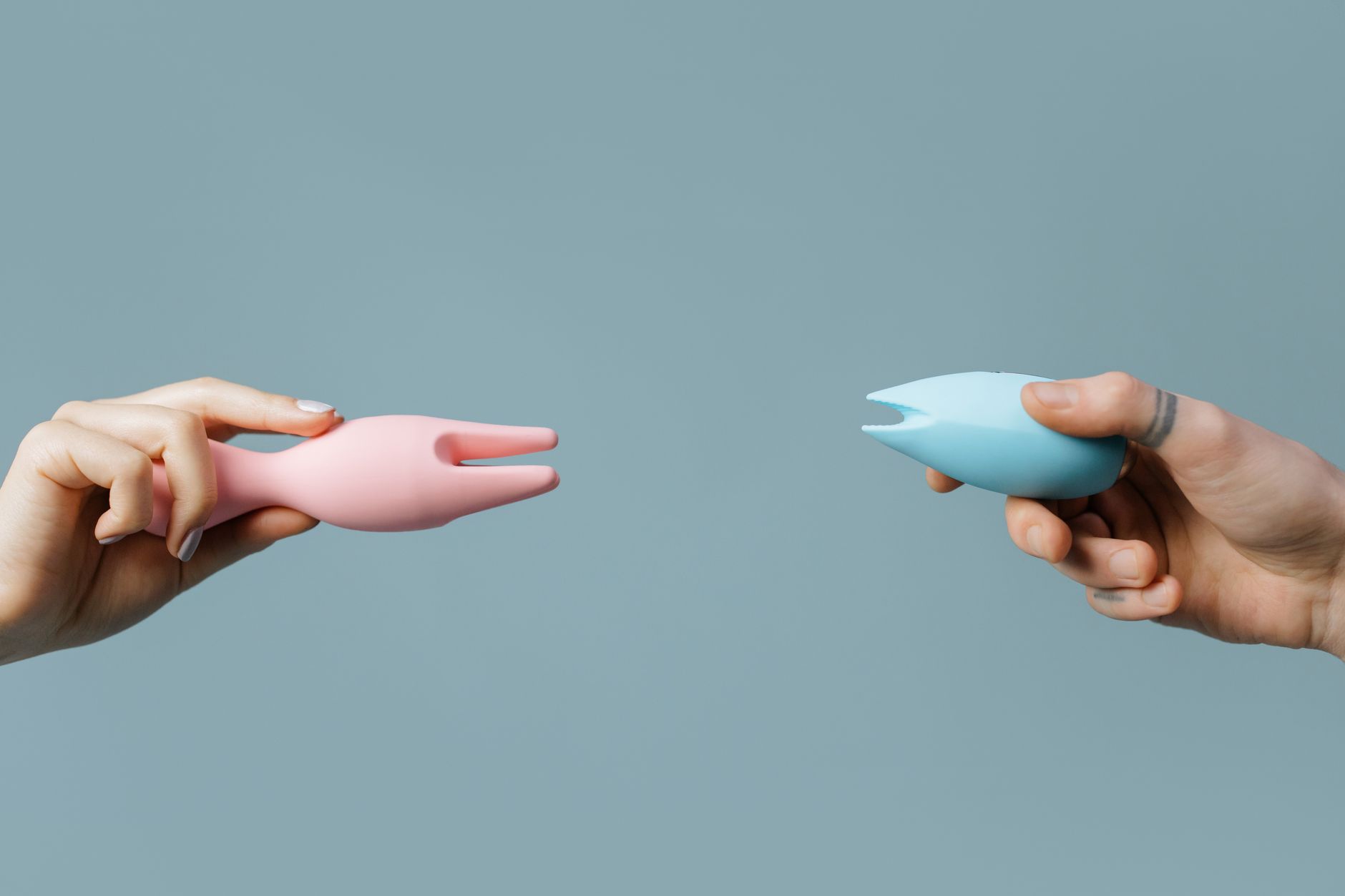
You know what works for you. Clitoral stimulation. Maybe it's a lemon vibrator, maybe it's something else, but you've found your pattern and it delivers. So why tinker with it? Because curiosity. Because you wonder what you're missing. Because your partner mentioned it, or because you just want to know what the fuss is about.
Here's the thing: transitioning from clitoral-only to internal exploration doesn't mean ditching what already works. It means adding, not replacing. And that changes everything about how you approach it.
If you'd never experienced pleasure before, you'd have no expectations. But you do. Your body knows a reliable path to satisfaction. Your nervous system has learned a particular rhythm. When you try something new, your brain is comparing it to what's proven before, and new often loses that comparison.
That's not a bad sign. It's actually useful information. It tells you that your clitoral sensitivity is your strongest pathway, which is true for most people with vulvas. Research suggests that 70-80% of people require clitoral stimulation to orgasm. You're in the statistical majority. The question isn't whether internal feels better. It's whether adding it expands your range.
Spoiler: it can. But not if you approach it as a replacement test.
Let's separate myth from anatomy here. The clitoris has about 8,000 nerve endings concentrated in a small surface area. The vaginal canal has fewer nerve endings, and they're less densely packed. This isn't a flaw in vaginal sensation. It's just architecture.
Meaning: your clitoral preference isn't a limitation you need to fix. It's your nervous system's dominant sensitivity pattern. Adding internal stimulation doesn't override this. It works alongside it.
The pleasure upgrade comes from combination, not replacement. Clitoral stimulation from a lemon vibrator (or any suction-style toy) plus light internal pressure creates a different sensation than either alone. Your brain is processing input from multiple areas simultaneously, which changes the overall experience.
Start by forgetting the word "penetration" for a moment. You're not chasing depth. You're exploring how your pelvic floor and internal tissues respond to gentle, sustained pressure.
Here's the progression I recommend:
Week 1-2: External to internal transition. Use your lemon vibrator or preferred clitoral toy as usual. When you're already aroused and close to orgasm, place a finger or small blunt object (a finger works best) against your vaginal opening. Don't insert it. Just let it rest there while you use your clitoral toy. This teaches your body that internal pressure can happen simultaneously with external pleasure.
Week 3: Shallow insertion with clitoral focus. Once that feels normal, insert a finger about one knuckle deep while continuing clitoral stimulation. Keep your focus on the clitoral sensation. The internal pressure is background. Move the finger very slightly, but don't thrust.
Week 4+: Blended sensation awareness. Now you're paying equal attention to both. You might notice your internal muscles responding differently when you're already close to climax versus when you're still building arousal. That's the data you're collecting.
This slow progression matters because your pelvic floor has muscle memory. If you've spent years using one specific stimulus pattern, your nervous system expects it. Introducing something new while keeping the familiar element present helps your body integrate the change without feeling jarring.
You already know that a lemon clitoral vibrator works for you. Don't abandon it during this transition. Use it first, use it throughout, use it at the end. The confidence and certainty it brings is your anchor.
When you want to explore internal sensation, a smaller toy is actually better than a large one. Not because small is always better, but because it gives you fine control. You can position it precisely, move it slowly, and feel exactly where it sits. A full-size internal vibrator can be overwhelming when you're used to concentrated external stimulation.
If you do want a dedicated internal toy, something like a small wand or basic vibrator works well. But honestly? Many people use fingers or small toys from their drawer first, and that's smart. Your own hand gives you the most feedback and control.
Here's where people get stuck: they try internal stimulation, it doesn't feel as intense or immediately pleasurable as clitoral, and they assume they don't like it. Wrong frame.
Internal sensation develops. Your nerve endings don't disappear during internal stimulation, but the nature of what they register is different. It's less localized. It can feel more diffuse, deeper, sometimes even subtle at first. That's not a flaw. That's your nervous system learning a new language.
Give it five, ten, fifteen sessions before deciding whether you like it. Your body needs repetition to build neural pathways for new sensation types. If after consistent exploration (over weeks, not one night) internal stimulation still doesn't appeal to you, that's valid data too. But rushing the assessment guarantees a false negative.
One more thing: your brain's pleasure response is partly learned. If you expect internal to feel muted compared to clitoral, it probably will. If you approach it as "a different kind of sensation that builds over time," your brain has room to be surprised.
When you're already highly aroused, everything feels more intense. This is actually the right time to explore internal sensation because your pelvic floor is naturally relaxed, your vaginal tissue has more blood flow, and your brain is primed for pleasure.
Don't use internal exploration as a substitute for your usual routine early on. Do it after you've already brought yourself close with your lemon vibrator. This protects two things: your reliable orgasm pathway stays intact, and you approach internal stimulation from a place of arousal rather than starting fresh.
As you get more comfortable, you might enjoy using both simultaneously from the beginning. But the early sessions benefit from a build-up approach.
There's a difference between "this feels unfamiliar" and "this hurts." Unfamiliar pressure, a sense of fullness, or mild discomfort that eases as you relax? Normal. Sharp pain, a feeling of tightness that doesn't ease, or sharp stretching sensation? Stop and reassess.
If pain happens, hydration matters. Your pelvic floor tension might be higher than usual. Sometimes a break of a few days, followed by slower exploration, helps reset your nervous system's response. Other times, it's worth mentioning to a therapist or gynecologist, especially if the discomfort persists.
Most people don't experience pain with this transition. But if you do, that information is useful. It's not a character flaw. It's data about your body's current state.
Over weeks and months of exploration, many people find that a combination of clitoral and internal stimulation becomes their preferred experience. Not because internal suddenly became as intense as clitoral (it might not), but because the layered sensation offers something different. Depth, intensity, a different kind of fullness, a different rhythm to orgasm.
Some people stay clitoral-focused even after exploring internal and decide they prefer it. That's a valid outcome too. The point isn't to reach a destination. It's to expand your map of what's possible.
Your lemon vibrator stays useful throughout this entire journey. Clitoral toys are the most reliable pleasure tool for most people. Adding doesn't mean removing.
How long does it take to enjoy internal stimulation after being clitoral-focused?
There's no universal timeline, but most people report feeling more comfortable with internal sensation after 3-4 weeks of consistent, low-pressure exploration. Some adapt in days. Others take two months. Your body isn't slow if it takes longer. It's just being cautious, which is fine.
Can I use the same vibrator internally and externally?
Yes, as long as it's body-safe silicone, glass, or stainless steel, and as long as you wash it between uses. Many people do this without issue. If you prefer separate toys for peace of mind, that's valid too.
Will internal stimulation ever feel as good as clitoral?
Maybe not in the same way. Clitoral sensation is typically more intense and more immediately pleasurable. Internal sensation is often described as fuller, deeper, or more expansive. Different, not better or worse.
What if I try internal exploration and hate it?
Then you hate it. You don't owe yourself or anyone else a preference for internal stimulation. Some people are clitoral-only for life, and that's completely fine. Exploration is about expanding options, not forcing a new normal.
Is it normal for my pelvic floor to feel tense when I try internal stimulation?
Very normal. Your pelvic floor tenses when you're anxious or unfamiliar with something. Breathing deeply, slowing down, and sometimes pausing entirely helps your muscles relax. If the tension persists even during relaxed moments, that might be worth exploring with a pelvic floor physical therapist.
Should my partner be involved in this exploration?
That's your call entirely. Some people find that solo exploration first gives them a clearer sense of what feels good without performance pressure. Others prefer partner involvement from the start. There's no rule here except your own comfort.
Transitioning from clitoral-only exploration to internal takes patience and zero pressure. Your reliable pleasure pathway doesn't disappear when you add something new. Use it as your anchor while you experiment. Internal sensation might become a regular part of your pleasure, or it might remain occasional. Either way, you'll have expanded your own understanding of what your body can feel. And that knowledge is always useful.
If you're ready to explore, your lemon vibrator is already in your toolkit. Add something smaller and less intense for internal work. Give yourself weeks of consistent, low-stakes exploration. And remember that "no" is a complete sentence. Your pleasure preferences don't need to evolve if they don't want to.
Ready to get started? Our care guide has everything you need to know about using and maintaining any toy safely.